IRON NEST Mechanics
Deep, evidence-based explanations of ballistics, machine operation, intelligence, progression and consequences.
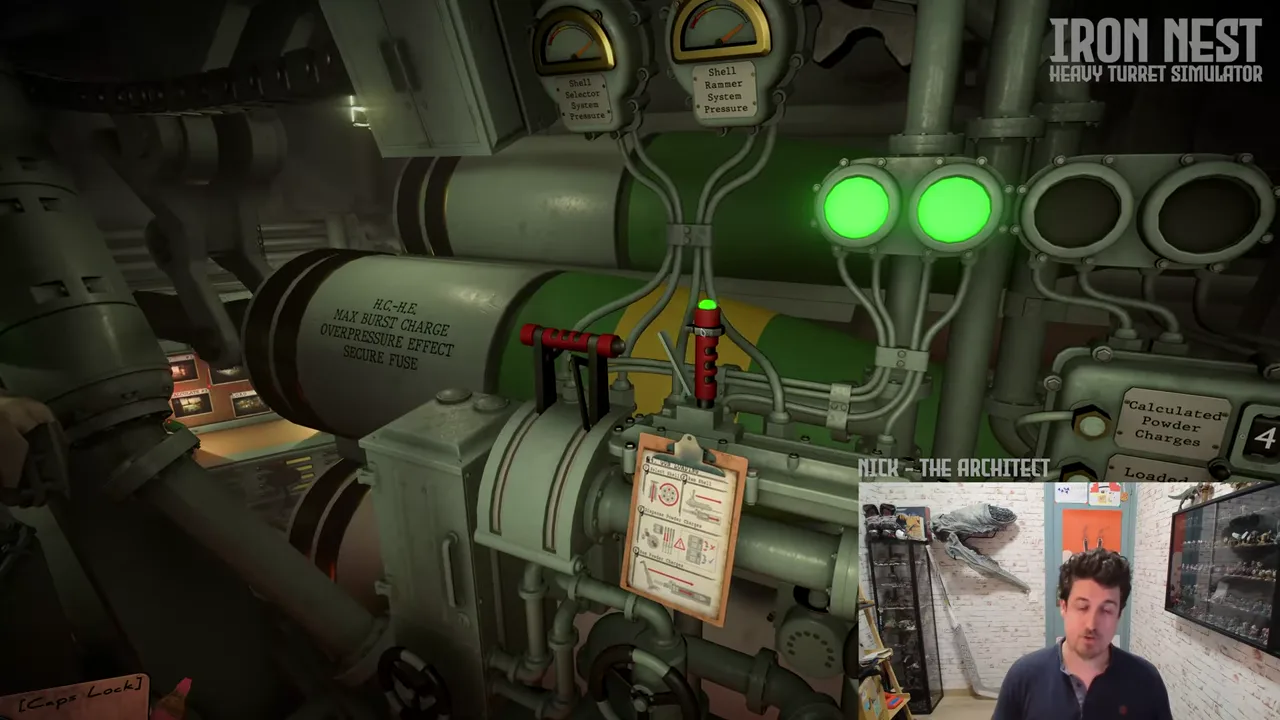
IRON NEST’s Decision-to-Shot Feedback Loop
How IRON NEST connects report provenance, map work, ballistic inputs, physical gun settings and aerial review into one accountable decision-to-shot feedback loop.
Read guide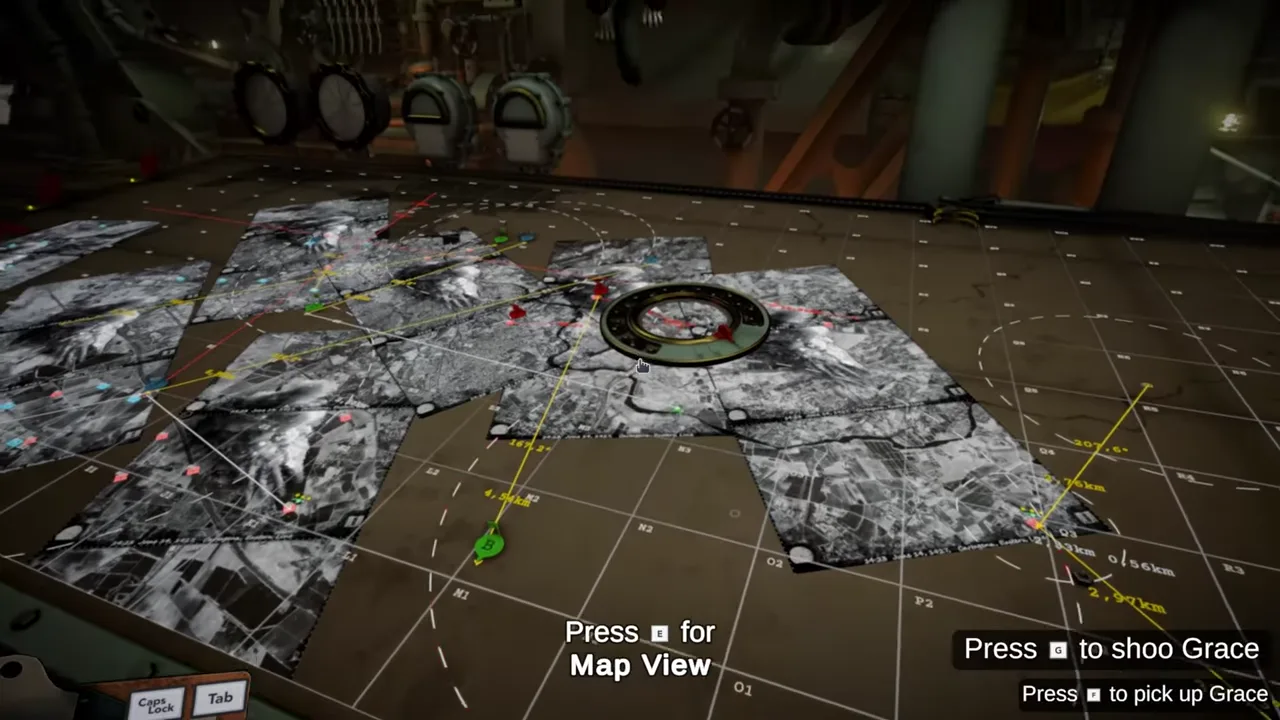
How IRON NEST Uses Math for Firing Solutions
IRON NEST turns geometry, reconnaissance bearings, range, powder charge and gun elevation into a hands-on firing workflow without requiring an external calculator.
Read guide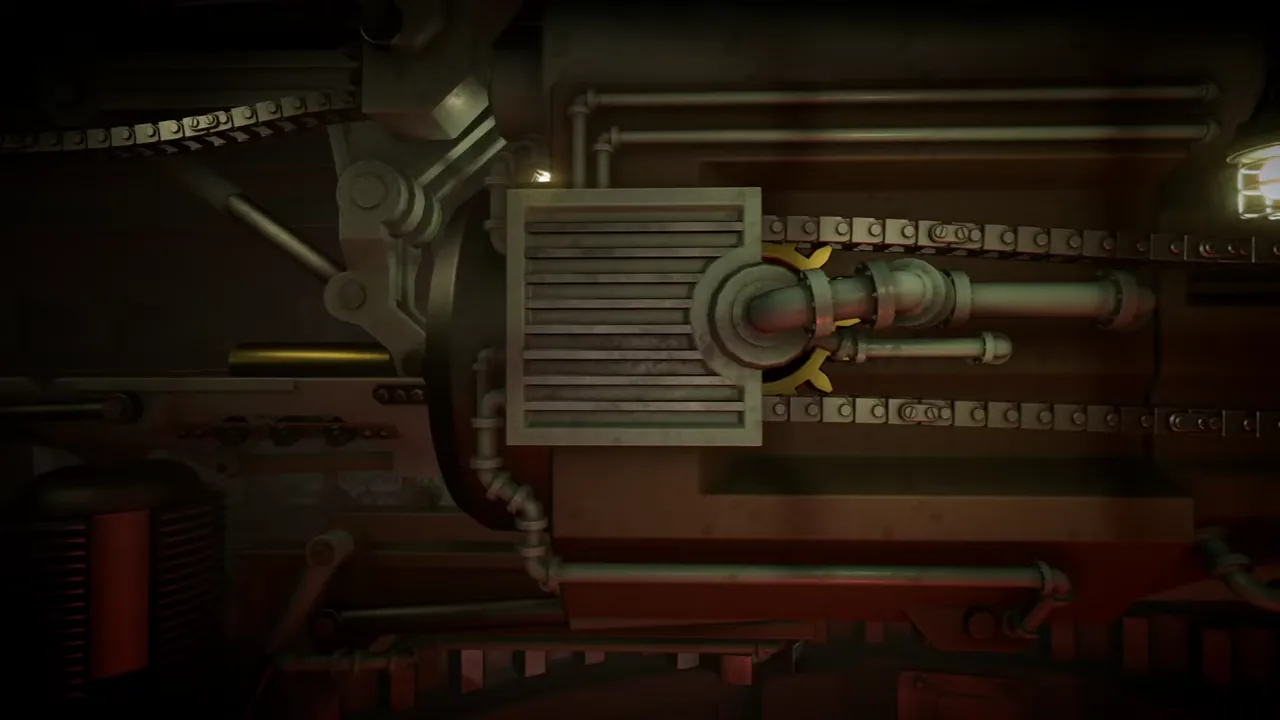
Information Provenance and Uncertainty
How IRON NEST turns source-relative reports into a fire-control problem, why a plausible number is not automatically a trustworthy input, and how to retain uncertainty until the map resolves it.
Read guide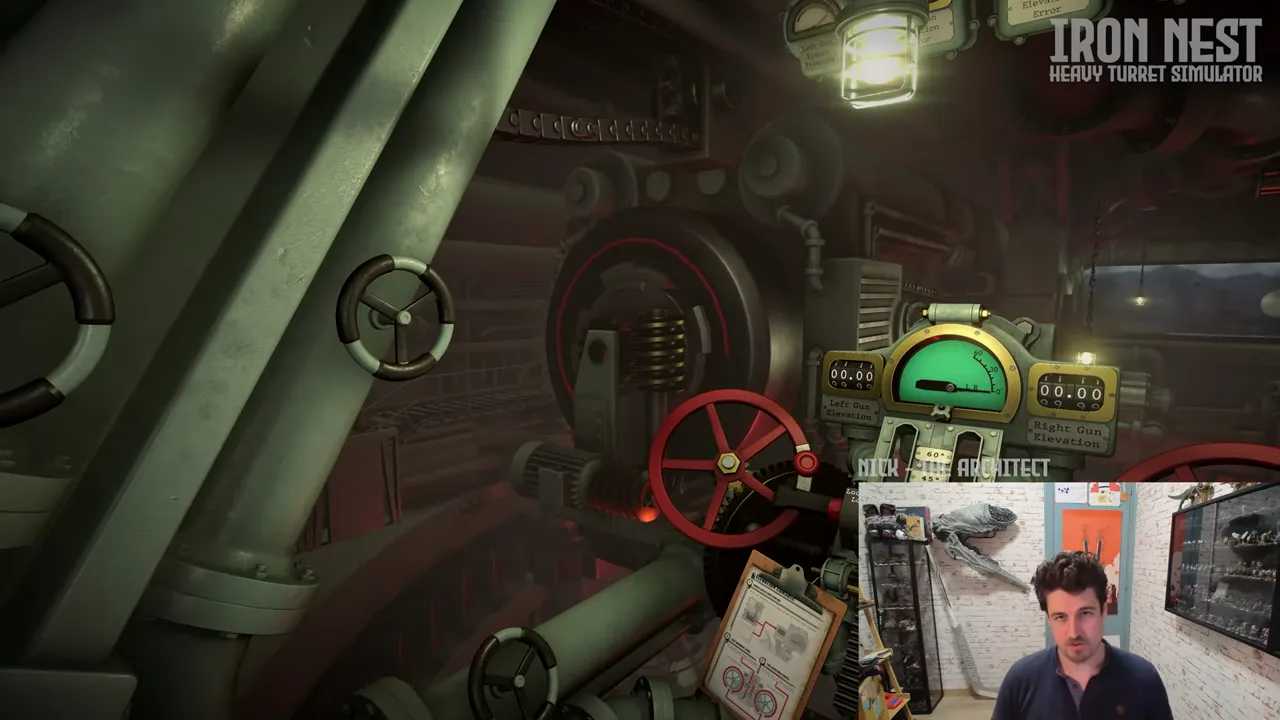
Operational Time as a Resource in IRON NEST
How IRON NEST turns time spent reading reports, moving through stations and traversing a heavy turret into an operational resource rather than empty waiting.
Read guide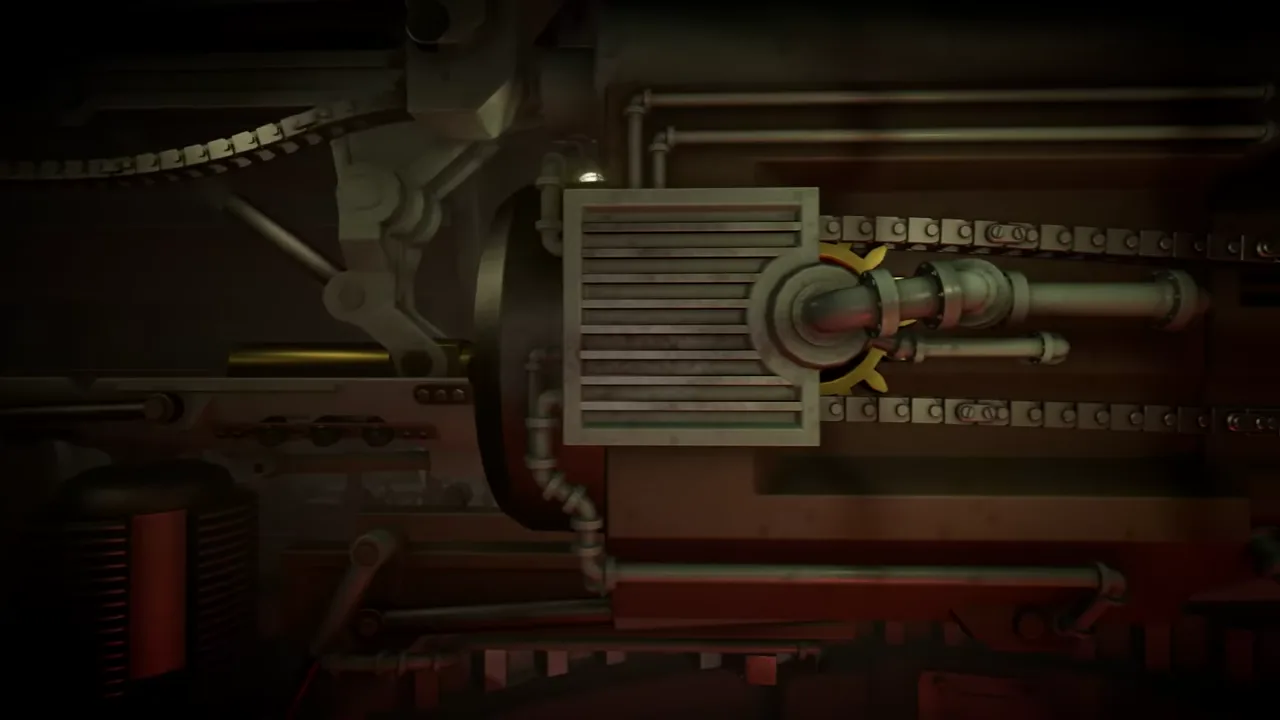
Physical Station Handoffs: Why IRON NEST Separates the Work
A mechanics analysis of IRON NEST's confirmed multi-station workflow: how reports, map work, calculation and gun controls create verifiable handoffs rather than one abstract aiming action.
Read guide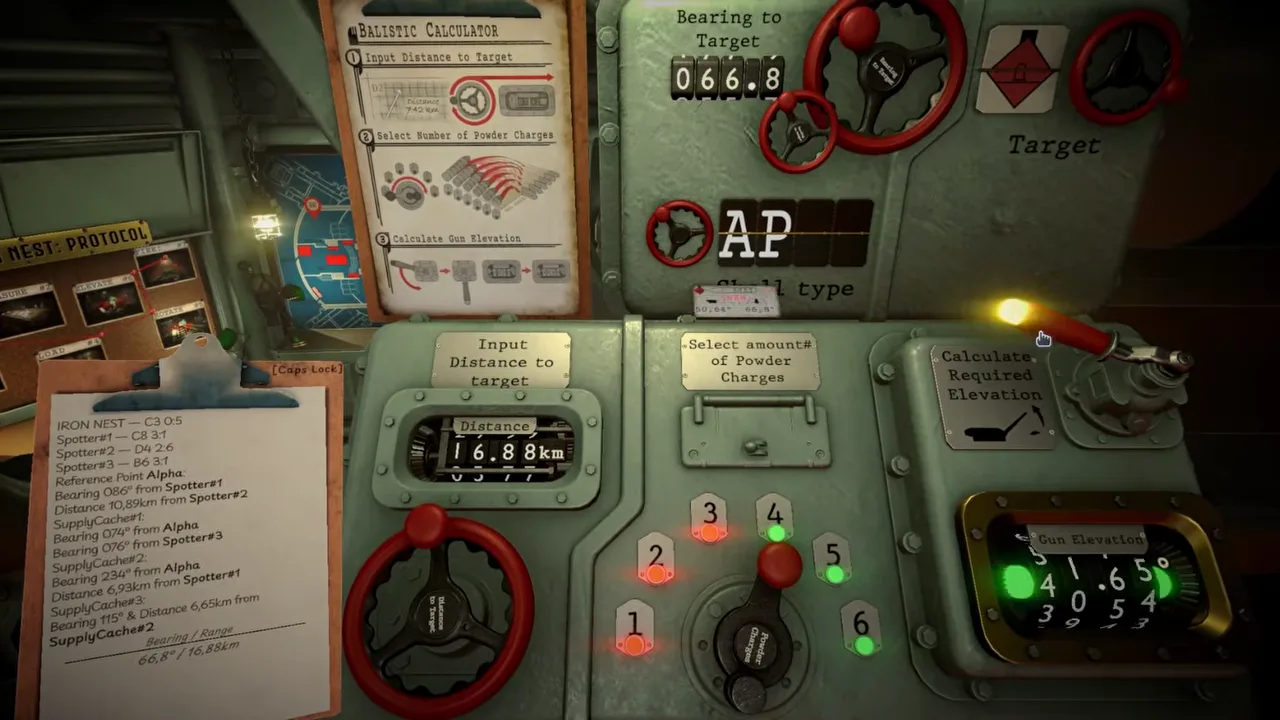
Powder Charges and Gun Elevation in IRON NEST
How range, propellant charge and elevation form one consistent firing solution, plus a practical workflow for avoiding mismatched settings.
Read guide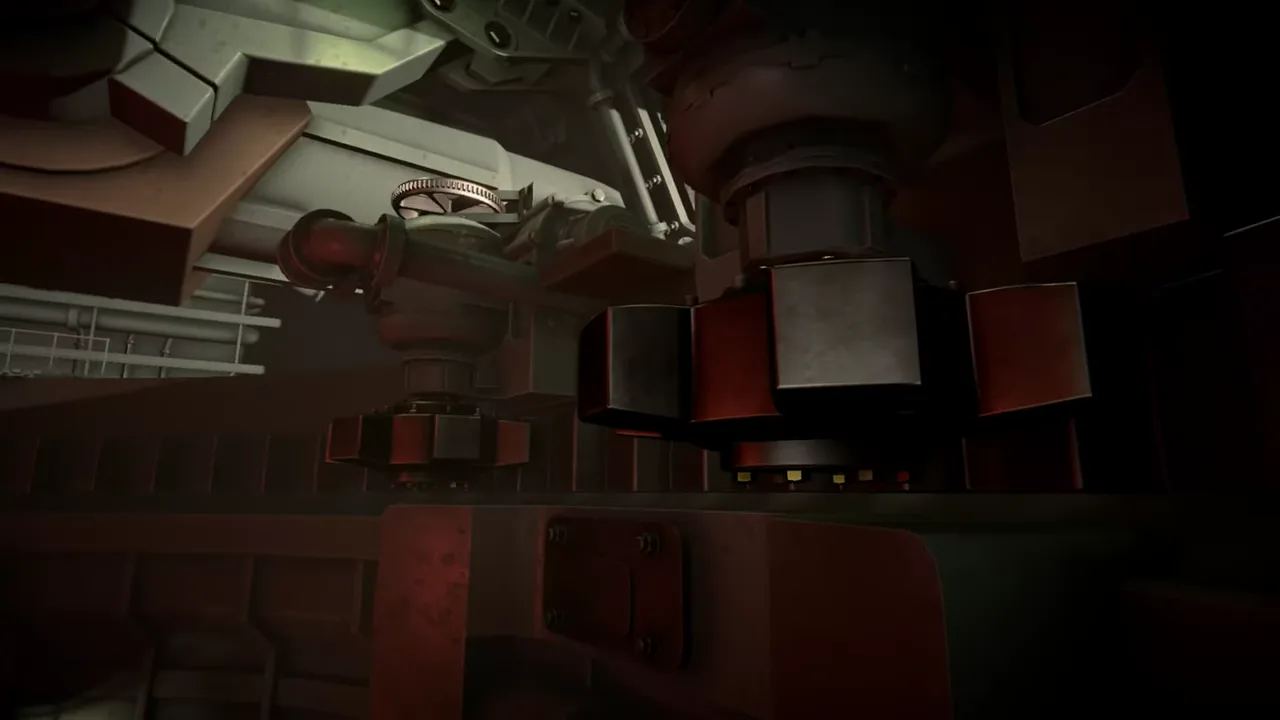
Rotation Time and Task Switching
How IRON NEST makes turret rotation a period for verified task switching rather than empty travel time, using only the official claim that a heavy machine takes time to swing and skilled Operators use that time.
Read guide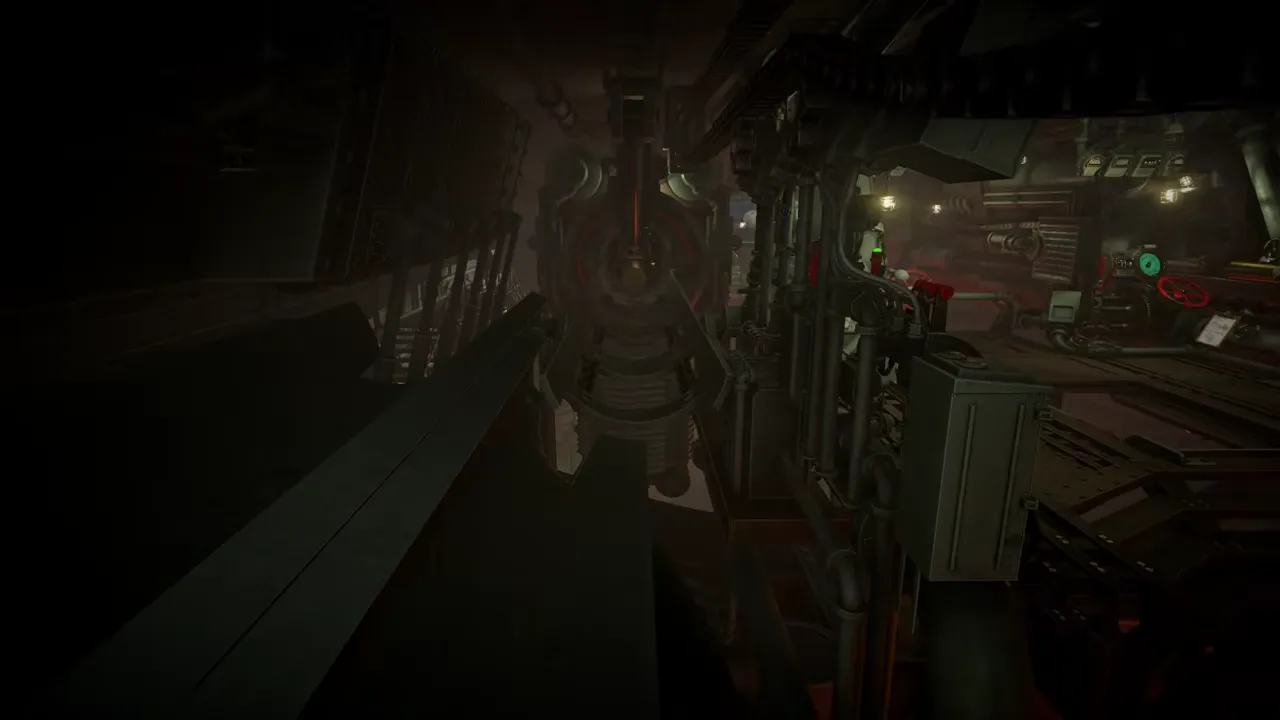
Simultaneous-Impact Fire in IRON NEST: Confirmed Intent and Limits
What the developer actually said about two-shot simultaneous-impact missions, why IRON NEST's rate of fire limits the concept, and how such a solution would work.
Read guide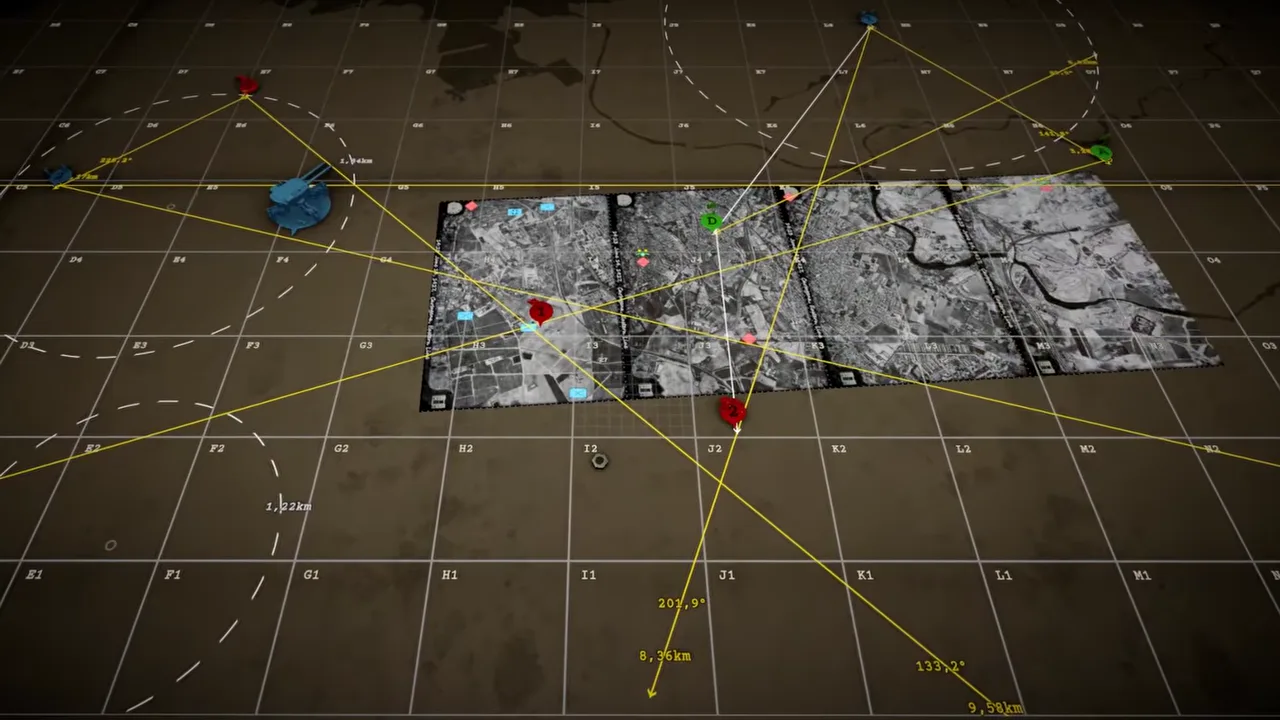
Uncertainty as an Operational Input in IRON NEST
Why IRON NEST reports, maps and firing plans work better when unknown details are preserved as explicit constraints rather than replaced with false precision.
Read guide