Iron Nest Patch 7 Deploys GeForce NOW Support and Fixes Critical Mid-Reload Jams
Patch 7 for Iron Nest: Heavy Turret Simulator introduces GeForce NOW cloud support, resolves game-breaking mid-reload save corruption, and recaps the Gamescom meetup.
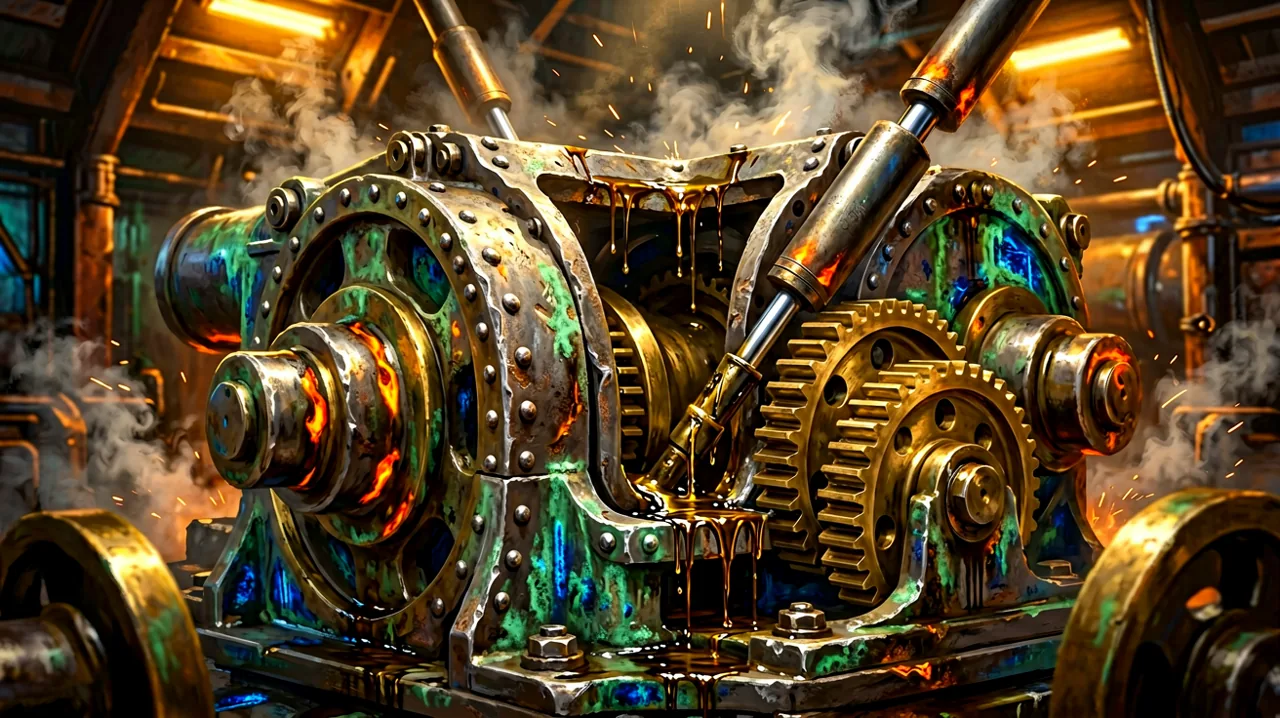
Operators, High Command has issued a new logistical directive. Just over a month after the explosive launch of IRON NEST: Heavy Turret Simulator, the two-person development team of Nick Nieuwoudt and Dominik Latos has deployed Patch #7. Officially designated as Version 1.0 (build 1683), this update brings a highly anticipated technological reinforcement: official support for Nvidia’s GeForce NOW cloud gaming service. Alongside this major platform expansion, Patch #7 delivers crucial bug fixes targeting the mid-mission save system, specifically addressing a terrifying gun jam scenario and an insomnia-inducing glitch that plagued bunker downtime.
Whether you are plotting a high-explosive barrage across the Spanish wasteland or simply trying to catch a few hours of sleep before the next wave, this patch smooths out the rough edges of bunker life. Here is a comprehensive breakdown of everything included in Patch #7, how it affects your daily operations, and a look at what the community has been building in the aftermath of Gamescom 2026.
Cloud Artillery: GeForce NOW Support Arrives
Perhaps the most significant addition in Patch #7 is the official integration of GeForce NOW. For a game deeply rooted in the simulation genre, IRON NEST has always demanded a respectable amount of processing power. Calculating a firing solution isn’t just about lining up crosshairs; the game’s engine constantly runs complex ballistic trajectories, wind physics, atmospheric pressure variables, and intricate mechanical physics for the turret’s internal gears and hydraulics.
If your local rig has been struggling to meet the system requirements, GeForce NOW support completely changes the battlefield calculus. Players can now stream the full PC version of the game from Nvidia’s high-end cloud servers directly to lower-spec laptops, older desktop PCs, Mac devices, and even supported smart TVs.
This is particularly beneficial for commanders who want to experience the grim, dieselpunk aesthetic of the alternate-history Spanish environment at maximum graphical fidelity. Seeing the heavy smoke billow from the massive muzzle brake or watching the rain streak across the thick glass of your targeting periscope adds immensely to the psychological weight of the game. If you were previously forced to turn down the visual settings to maintain a stable framerate while turning the massive elevation dials, streaming via GeForce NOW offers a way to experience the bleak, industrial atmosphere exactly as Nick and Dominik intended. Similar to how the game was verified for Steam Deck, this opens up a whole new logistical avenue for aspiring operators.
Clearing the Breech: The Mid-Reload Save Fix
The heart of IRON NEST: Heavy Turret Simulator is the tactile, exhausting process of loading the gun. It is not an automated process. You are the machine. Operating the massive artillery piece requires you to manually unlock the heavy steel breech, select the correct shell type from the ammunition racks—whether that is Armor Piercing (AP) to crack hardened bunkers, High Explosive (HE) for infantry suppression, or specialized illumination rounds—ram it into the chamber, secure the powder charge, and slam the breech shut.
Patch #6 recently introduced a highly requested mid-mission save system, allowing players to step away during the grueling, hour-long siege scenarios. However, a severe bug was discovered shortly after deployment: if a player saved the game and subsequently loaded that save while in the middle of the reloading animation sequence, the gun would permanently jam.
This was a nightmare scenario for any artillery operator. Imagine carefully reading the tactical map, receiving urgent intelligence of an approaching armored column, plotting the perfect coordinates on your ballistic calculator, and rushing to load a heavy AP shell. Real-world interruptions happen, so you save the game mid-lift. Upon returning, the massive hydraulic rammer is stuck, the breech refuses to close, and your primary weapon is effectively bricked for the remainder of the deployment.
Patch #7 definitively squashes this bug. The state machine tracking the reload sequence now correctly serializes the position of all mechanical components during a save. You can safely save your progress while holding a massive brass casing, and when you load back into the grim reality of the bunker, the controls and interface will respond exactly as expected. The breech will close smoothly, and you can proceed to rain fire on the designated grid coordinates.
Curing Operator Insomnia: The Sleep State Fix
Life inside the iron nest isn’t just about pulling the lanyard; it is heavily defined by the agonizing downtime between fire missions. Operators must spend hours in the cramped, dimly lit confines of the bunker. You read physical intel reports, adjust the pins on your map, desperately brew coffee to stay alert, and eventually, you must sleep to pass the time and recover your stamina for the next barrage.
Another severe consequence of the recent save system update involved the player’s ability to utilize the bed in the bunker. Prior to Patch #7, loading a save file would occasionally corrupt the player state, preventing the operator from going to sleep.
In a fast-paced shooter, not being able to sleep might seem trivial. In IRON NEST, it is a game-breaking disruption of the simulation loop. Without the ability to sleep, players could not fast-forward through the agonizingly slow hours of nighttime downtime, forcing them to sit idle in the bunker in real-time, staring at the brass instruments and waiting for dawn or the next radio transmission. Furthermore, the lack of stamina recovery meant your operator would suffer from severe exhaustion debuffs, making the heavy physical labor of turning the elevation wheels and hauling different ammunition types sluggish and dangerously imprecise.
With build 1683, the High Command has cured this insomnia. The transition trigger for the sleep mechanic has been repaired. Your first session operator notebook should clearly reflect that taking mandatory rest periods is once again a functional and vital part of surviving a campaign.
Log File Optimization
While it might not sound as dramatic as fixing a jammed 5,000-ton cannon, Patch #7 also includes a note regarding “Reduced log file size.” IRON NEST simulates a vast amount of background data, from enemy troop movements on the macro level to the precise spin drift of a single projectile on the micro level.
Previously, the game’s diagnostic logging was overly aggressive, writing massive text files to the local application data folder. Over the course of a long campaign spanning multiple weeks of in-game time, these log files could balloon to substantial sizes, potentially causing stuttering during read/write operations on slower hard drives. By optimizing what the engine reports to the log files, the developers have improved the overall stability and long-term performance of the client. It is a quiet under-the-hood tweak that demonstrates the team’s commitment to polishing the technical foundation of the simulation.
The Gamescom 2026 Meetup
Alongside the technical notes, Nick Nieuwoudt and Dominik Latos included a heartfelt message to the community regarding the official IRON NEST meetup at Gamescom 2026.
“Thank you to everyone who joined us at the official IRON NEST meetup at Gamescom 2026,” the developers wrote. “Seeing so many of the Operators who helped turn our dream into reality was an incredible experience.”
For a two-person independent studio, attending a massive industry event like Gamescom and hosting a dedicated fan meetup is a monumental milestone. It speaks volumes about the dedicated, passionate niche audience the game has cultivated since its initial Next Fest demo. Players who obsess over firing tables, wind gauges, and manual hydraulic controls are a unique breed, and the opportunity for the developers to speak directly with the people manning the digital turrets clearly provided a massive morale boost for the small team.
Community Engineering: The Iron Nest on the Tabletop
The impact of IRON NEST extends far beyond the Steam ecosystem, heavily influencing adjacent hobbies that appreciate grim, heavy machinery. Over on the PrintedWarhammer subreddit, the community has been actively adapting the visual identity of the game for tabletop wargaming.
A recent post by user Bliitzthefox showcasing their newly painted “Castile Regiment” army specifically highlighted the cross-pollination between the game and miniature hobbies. The user noted that if “legends is permitted,” players should “upgrade iron nest to a Minotaur,” directly referencing using a 3D-printed proxy of the game’s colossal turret as a stand-in for the heavy Minotaur Artillery Tank in games like Warhammer 40,000.
This level of community engagement—where players are so inspired by the dieselpunk aesthetics and brutalist architecture of the game that they physically manufacture and paint models of it—is a testament to the strong art direction and world-building achieved by Nick and Dominik. The heavy, rivet-covered steel and oppressive atmosphere of the Spanish alternate history translate perfectly into the grimdark environments of tabletop wargaming.
Conclusion: Maintain Your Equipment
Patch #7 proves that High Command is actively monitoring the frontlines. By prioritizing game-breaking logic bugs like the mid-reload jam and the sleep system failure, the developers are ensuring that the core simulation remains uninterrupted by technical frustrations. Furthermore, integrating GeForce NOW vastly expands the recruitment pool, allowing operators with standard-issue hardware to step into the bunker and take command of the heavy artillery.
Ensure your Steam client is set to auto-update, verify the integrity of your game files, and log back into the bunker. The target grid won’t bombard itself, and with these latest fixes, you have no excuses for a jammed gun. Keep your brass polished, double-check your windage calculations, and stay vigilant on the tactical map.