Launch Week is Here: Mainstream Media Spotlights Iron Nest Ahead of August 6 Deployment
With Iron Nest launching on August 6, major outlets like Kotaku are highlighting the heavy turret simulator. Prepare for deployment with our final checklist.
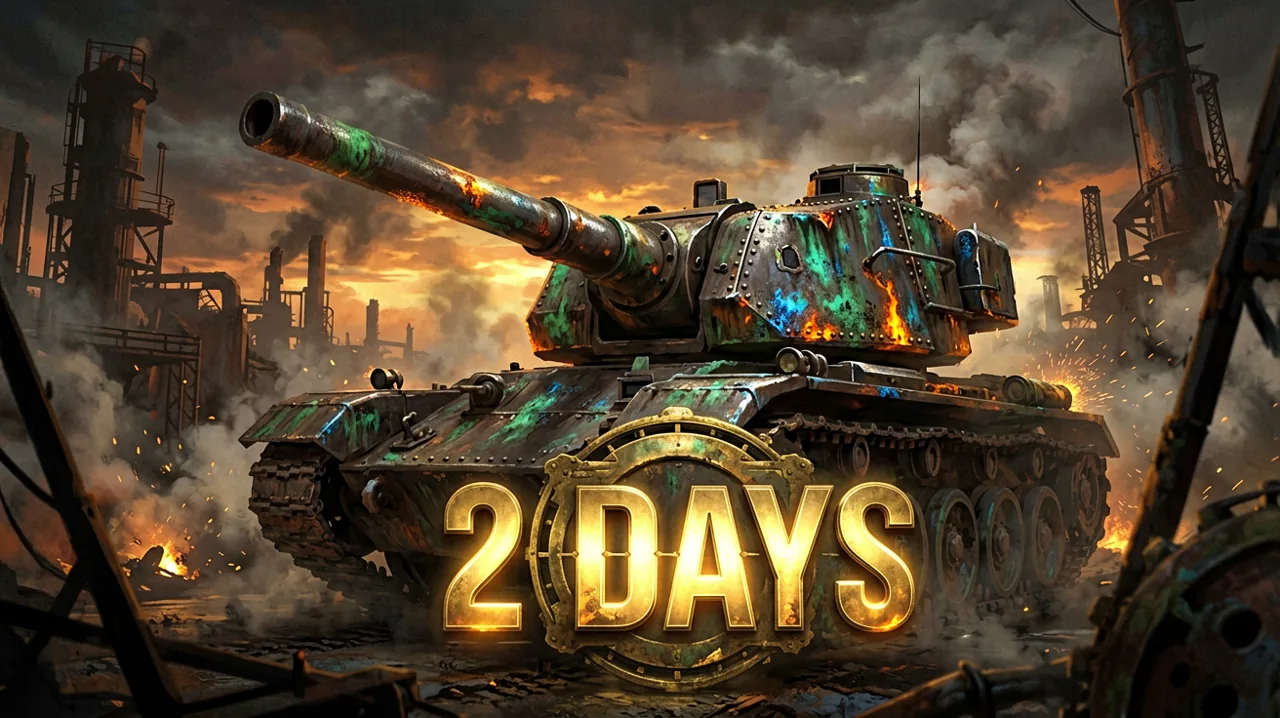
The calendar has finally flipped to launch week. It is August 4, 2026, and we are officially less than 48 hours away from the release of Iron Nest: Heavy Turret Simulator. The long months of waiting, testing mechanics in the demo, and scrutinizing every frame of developer footage are coming to an end. This Thursday, August 6, the heavy steel doors will open, and players worldwide will step into the boots of a turret operator in a grim, alternate-history Spanish conflict.
The anticipation within the community is palpable, but what is perhaps more striking is the attention the game is receiving outside of our dedicated simulation niche. A dieselpunk artillery simulator requiring manual calculations is not your typical mainstream blockbuster, yet it is currently dominating the weekly gaming conversation.
Mainstream Recognition: “Heavy Artillery Fire Incoming”
When a hardcore simulator catches the eye of mainstream gaming outlets, you know the developers have successfully communicated their vision. This week, Kotaku featured Iron Nest prominently in their weekly release roundup, headlining the piece with “The Week In Games: Heavy Artillery Fire Incoming.”
This isn’t just a passing mention; it is a testament to the tactile, visceral appeal of the game that Nick Nieuwoudt and Dominik Latos have built. Typically, titles featuring heavy manual labor, complex mathematics, and slow, deliberate pacing appeal to a very specific, limited demographic. However, the sheer atmosphere of Iron Nest—the deafening roar of the breech, the hiss of hydraulic fluids, the claustrophobia of the command deck—has transcended genre boundaries.
Mainstream recognition like the Kotaku feature validates what the community has known since the early test phases: there is an immense satisfaction in mastering a complex, mechanical beast. The headline “Heavy Artillery Fire Incoming” perfectly encapsulates the mood. We aren’t just getting a new game this week; we are getting deployed to a brutal, uncompromising front line.
The Reality of the Command Deck
As we count down these final hours, it is vital to reflect on what exactly awaits us on Thursday. If you have spent time tracking the game’s development, you know that this is not an arcade experience. There is no auto-aim, and there is no mini-map with convenient red dots indicating enemy positions. You are blind, relying entirely on the information fed to you through narrow communication channels.
Operating the gun is an exercise in strict procedure and discipline. Every action must be deliberate. You receive coordinates. You consult your manuals. You input the environmental variables. You calculate the trajectory. Only then do you order the physical mechanisms to hoist a massive shell into the breech.
For those who need a refresher on the math, now is the time to review your procedures. Understanding how to generate a precise first firing solution is mandatory. The game will not forgive sloppy mathematics. If you miscalculate the windage or input the wrong propellant charge, your shell will land harmlessly in a muddy field miles from the target—or catastrophically, on friendly positions. The mechanical systems demand respect and undivided attention.
Reading the Room: Intelligence and Targeting
The isolation of the turret is a core thematic element of the simulation. You are enclosed in a thick shell of armor, entirely separated from the visual reality of the battlefield. Your only connection to the outside world is through the communications array and the intelligence reports you receive.
This makes the paper map your most vital tool, arguably more important than the firing mechanism itself. Learning the nuances of reading the tactical map is what separates a competent operator from a liability. You must learn to interpret grid coordinates, assess terrain elevations from contour lines, and predict enemy vehicle movements based on delayed scouting reports.
The alternate-history Spanish terrain is unforgiving. It is a landscape scarred by endless conflict, industrial ruins, and treacherous topography. Firing over a mountain range to hit a convoy moving through a hidden valley requires a deep understanding of how your shell will travel through the air, losing velocity and dropping over time. You are not just fighting the enemy forces; you are fighting the laws of physics.
The Logistics of Destruction
According to pre-release community reports and developer hints, the final build is expected to feature a significantly expanded arsenal compared to early previews. We anticipate a wide variety of shell types to manage. While we await the final confirmed inventory upon release, the strategic depth this implies is staggering.
You cannot simply load standard High Explosive (HE) rounds for every situation. Armored columns require heavy Armor Piercing (AP) munitions. Infantry entrenched in concrete fortifications might necessitate delayed-fuse explosives to penetrate before detonating. But the strategy extends far beyond sheer destruction.
A proficient operator uses the turret to control the flow of the battlefield. Deploying dense smoke screens to cover allied infantry advances or firing magnesium illumination rounds to expose night-time raiding parties are critical responsibilities. Understanding the intricacies of your magazines is essential, and our ammunition guide will be vital for cataloging the full extent of the arsenal. Selecting the wrong shell doesn’t just waste heavy ammunition; it compromises the entire operational objective.
Final Pre-Deployment Checklist
With the launch window rapidly closing, players should ensure their hardware is ready for the demands of the simulator. The detailed physics calculations, volumetric smoke, and complex mechanical animations require a stable system to run smoothly. Check the system requirements to verify your rig can handle the stress, especially during sustained bombardments where particle effects will fill the screen.
Furthermore, if you are looking to get your hands dirty before Thursday, the preview build is still live. This is your final opportunity to jump in and familiarize yourself with the basic controls without the pressure of the full campaign. Consult our demo guide to get the most out of this trial period and practice your loading drills.
The Calm Before the Storm
These next two days are the calm before the storm. The developer duo has been remarkably focused throughout this journey, and right now, they are undoubtedly executing the final preparations for pushing the launch button on Steam. Releasing a game to an audience that has generated massive wishlist numbers is a monumental task for any studio, let alone a two-person independent team.
When August 6 arrives, the community will finally get to experience the full weight of Iron Nest. We will uncover the lore hidden within the operator manuals, face the grueling campaign scenarios, and share our most impressive—or disastrous—firing solutions on the forums.
The heavy artillery fire is indeed incoming. Make sure your brass is polished, your calculations are precise, and your resolve is steady. We will see you on the command deck.