Kotaku on IRON NEST's Cannon Loop: A Dated Demo Response
A corrected archive of Kotaku's June 2026 response to the IRON NEST demo, separating the article's observed tactile loop and named first mission from unverified growth and feature claims.
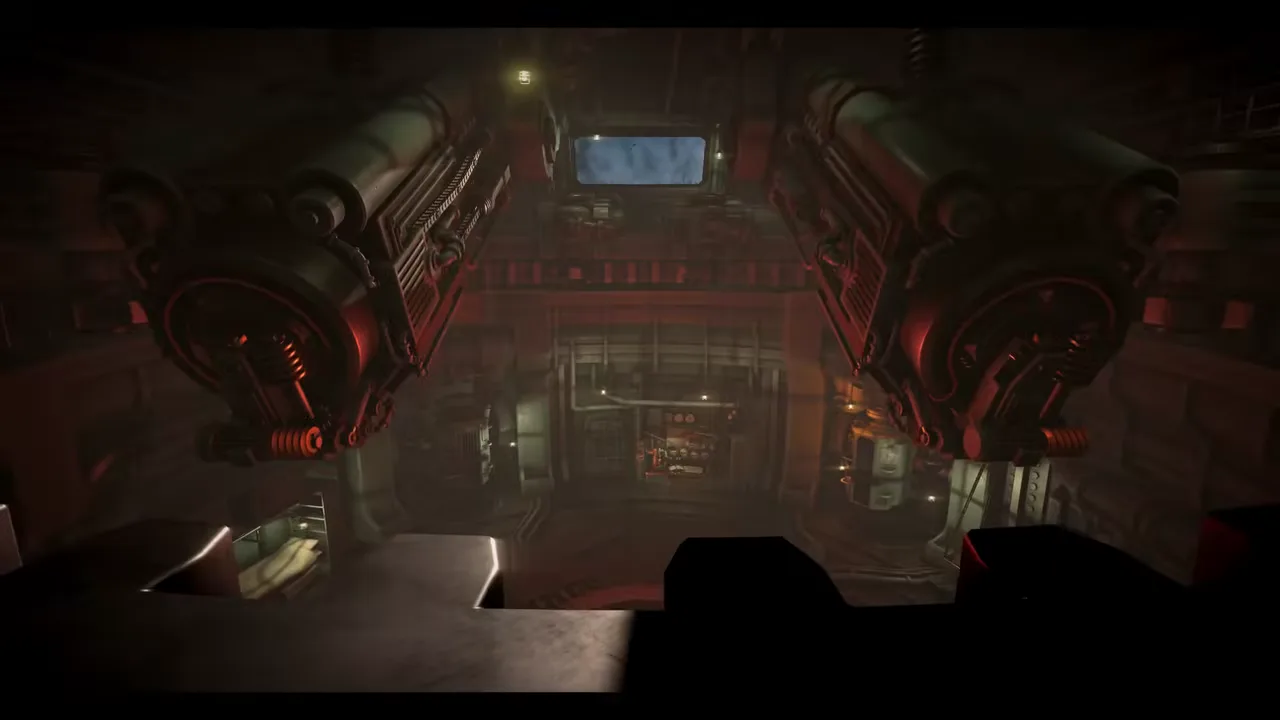
Kotaku’s June 20, 2026 article called the IRON NEST demo one of the strongest experiences it encountered during Steam Next Fest. Its central observation was simple and useful: much of the pleasure comes not from rapidly firing a cannon but from doing the work around a shot. The author described writing down commands, plotting range and bearing, using a ballistic calculator, loading the correct shell, manually rotating the turret and applying elevation before finally firing.
That is a rich account of a demo playthrough, and it closely matches the manual workflow the official release materials describe. It is also time-bound. The article was published during Next Fest, before the August 6 launch, and reflects one critic’s language, demo conditions and visible mission content. This page keeps the useful account while removing unsupported assertions about exact wishlist growth, chart positions, windage, separate ammunition totals and current launch status.
The article’s observed loop
Kotaku describes an operator receiving orders from High Command through an automatic typewriter, while a second typewriter carries more expressive messages from frontline troops. The author then lays out a sequence: copy the directive, chart range and bearing on a large map, enter range into the ballistic calculator, determine powder charges and elevation, load a shell, rotate the turret and set elevation.
This is not merely atmosphere; it explains why the game stands apart from a conventional reticle-driven shooter. Every step creates an opportunity to make a mistake, but also an opportunity to understand the system. The author found that structure rewarding even though the process is fiddly and sometimes stressful.
The current official Steam description independently supports the broad structure: operators receive reports, use an interactive map, work through calculations and physical controls, manage ammunition and observe outcomes. The first firing solution guide and tactical map reference explain the workflow in evidence-led terms. The Kotaku article contributes the experiential point—why that labor can feel satisfying.
A review observation is not a universal specification
The article says the demo could present incomplete data, equipment malfunctions and enemy cannon pressure. These are genuine reported observations of the build and should remain attributed to Kotaku. They do not establish that every mission, every mode or every released version contains the same cadence of faults and attacks.
Likewise, the writer’s report of the first mission’s collateral damage is evidence about that demonstrated story context. It contributes to the reading of High Command as malicious and the game as openly uncomfortable about obedience. It does not automatically reveal a fully documented branching system, a universal refusal mechanic, or the consequences of every possible player choice.
The difference is useful to players. A review can tell you whether the intended rhythm appeals to you. It cannot replace a current manual, patch note or repeatable current-build test when you need to know whether a specific rule applies.
What the article actually claims about popularity
Kotaku wrote that IRON NEST was at the top of Steam’s trending-demo area and described a 99 percent “Overwhelmingly Positive” Steam score at the time of publication. Those are dated observations, not permanent performance labels. Store rankings and review ratios move, their display can differ by moment, and a pre-release demo score is not the same measure as a released game’s reception.
The old wiki article added a precise 124,622-wishlist figure, day-by-day increases, a number-one-or-two chart claim and broad community statistics from other posts. None of those figures is needed to explain Kotaku’s article, and they are not currently verified by the reviewed first-party sources. They have been removed rather than repeated as live facts.
If a future page documents current performance, it should use a directly accessible, dated source and name exactly what it measures. A wishlist count, a review ratio, concurrent players and sales are different measures. The Next Fest metrics source review describes that evidence standard.
The demo and the release
The demo trailer was a pre-release invitation to experience the operator-space concept. The final product released August 6, 2026. The official listing now advertises a wider package than any short demo review can exhaust: a handcrafted story, procedurally generated objectives, two challenge modes, leaderboards, more than 100 medals, 15 regions and a combined 30 ammunition types and abilities.
The demo may demonstrate the core labor of the game exceptionally well while still not confirming every full-game feature, unlock path or region. Conversely, a feature listed for the release need not appear in the demo for the listing to be true. Keep both sources in their appropriate role.
The credited image above is from the official demo trailer, not from Kotaku’s page. It is used as a distinct official-video illustration of the physical controls being discussed. Its title, channel, timestamp and purpose are retained in the image ledger; it does not claim to be a screenshot of the critic’s specific session.
Why the coverage remains useful
Kotaku’s strength is that it describes a paradox: a game whose tasks resemble painstaking work can still make a player feel capable. That observation helps prospective players identify whether IRON NEST is for them. If calculating, marking a map, operating a valve and following a strict sequence sounds satisfying rather than frustrating, the article offers a strong reason to try the demo or full game.
It also captures a pre-release public response without requiring the wiki to use superlatives as facts. “Best demo” is the author’s opinion, not a measurable ranking. “Tactile and meticulous” is a critical description supported by the article’s account and official footage, not a mechanical stat. These are the right forms of praise to preserve.
The dependable conclusion
Kotaku’s June 2026 article documents a positive, detailed response to IRON NEST’s demo loop: reports, map work, calculator, loading, manual lay and the final shot. It also records the writer’s reaction to a dark first-mission consequence and observed demo pressures.
Those are credible dated critical observations. They do not verify the old wiki’s precise wishlist figures, chart claims, windage requirement, separate ammo/ability totals or present-tense release predictions. For current status, use the official August 6 release materials; for why the demo’s labor clicked with a critic, read the Kotaku account in its original June context.