Next Fest Metrics, Wishlists and Leaderboards: A Source Review
A corrected archive of pre-release claims around IRON NEST's Next Fest performance, separating reported numbers and dated community systems from features confirmed for the released game.
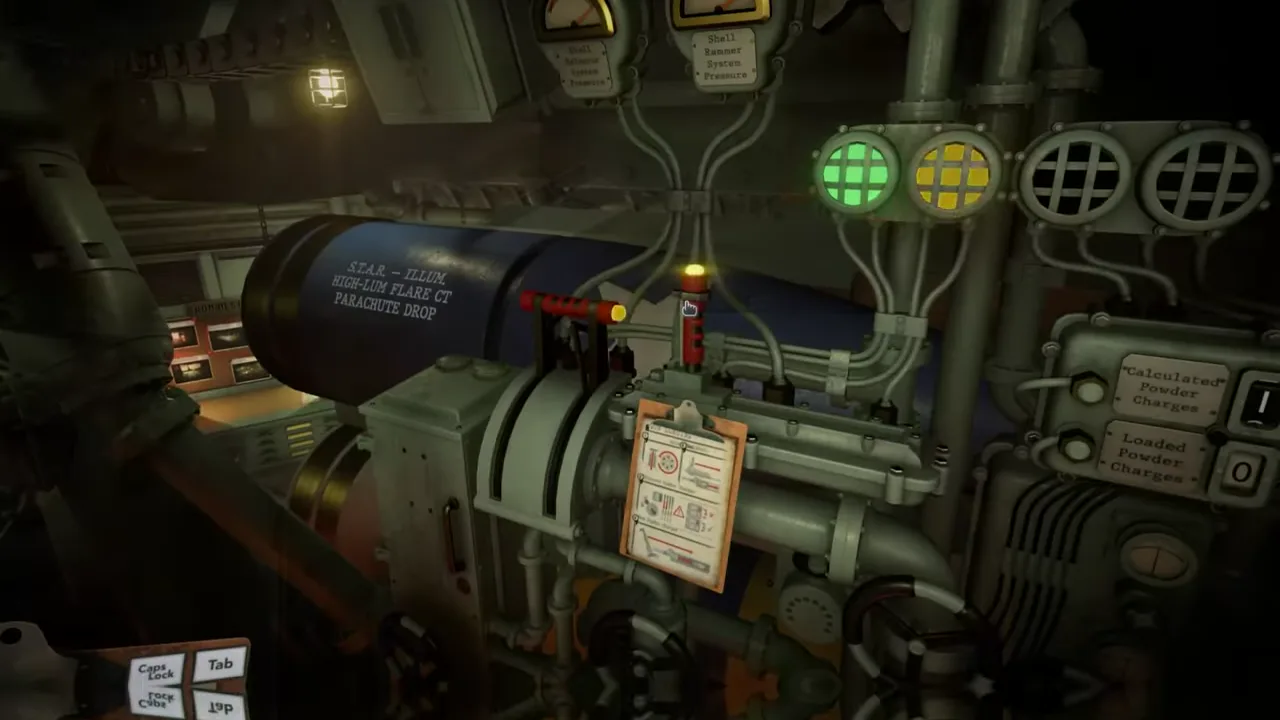
During June 2026 Steam Next Fest coverage, several reports and community posts attached large numbers to IRON NEST: wishlist totals, review percentages, shells fired, requisition points spent, targets eliminated and leaderboard activity. Such reports can be interesting evidence of a demo moment. They are not interchangeable with current Steam data, released-game sales, active player counts, or a permanent description of online infrastructure.
The original article combined a claimed 400,000-wishlist milestone, media rankings, Discord commands, a screenshot event and specific cumulative statistics into one present-tense success story. The reviewed official sources available to this project currently confirm that the released game advertises two challenge modes and leaderboards. They do not support treating every June third-party number or every named Discord command as a standing released-game feature.
This revised article is a record of how to read the Next Fest period accurately: preserve dated claims, identify the reporter, separate a platform metric from a game feature and let current first-party material govern the present tense.
What Next Fest coverage can establish
Steam Next Fest is a time-bounded event centered on demos, discoverability and community attention. Coverage from the event can document that a demo was live, that an outlet described it as popular, or that a developer shared a particular figure at a particular time. It can also reveal which features were being shown or discussed before launch.
It cannot automatically establish later performance. A demo’s review ratio can change. A ranking can be tied to a particular hour, region, category or methodology. A wishlist total is not a sales figure. A community bot command can be renamed, removed, limited to a server or superseded by an in-game implementation. A cumulative “shells fired” statistic may be a snapshot, a promotional counter or an incomplete aggregation.
The archive therefore uses cautious wording: a number was “reported,” “shared,” “described” or “observed in a June context.” It is not repeated as live data without a current official source that displays the same measure and date.
Wishlists are not a measure of release success
The claimed 400,000 figure in the former article belongs to its source context. It should not be cited as the current number of interested players, buyers or owners without direct contemporary evidence. Steam wishlists are pre-purchase interest markers, and their interpretation requires the count date, source, and clear separation from review, sales and player activity metrics.
The 10,000-wishlist archive explains this distinction in more detail. It does not deny that milestones may matter to a small studio; it prevents a pre-release number from quietly becoming a permanent live counter. If the developer publishes a new first-party milestone, it should be recorded as a new dated entry rather than retroactively rewriting an old report.
The same rule applies to claims such as “most played,” “highest reviewed,” “top ten” or “number one.” Those phrases require a named chart, methodology and time. Without those, they are promotional interpretations rather than durable reference facts.
The confirmed leaderboard claim
The released official feature list says IRON NEST includes two challenge modes and leaderboards. That is the current source-backed claim. It tells players that competitive or comparative score structures are part of the product’s advertised package.
It does not identify a mandatory Discord integration, a specific key in an Options menu, command names such as /leaderboard challenge, a top-20 limit, a “chill” statistic, an automatic GIF, or the exact categories used by the board. Those implementation details appeared in the old article without a reviewed current first-party source. They may have existed in a particular community period; they should not be promoted as release documentation without verification.
Players interested in the current challenge experience should start with the game, its Steam page and current official channels. If the released interface displays a leaderboard menu or category, document the exact label, build, access route and date. Do not infer the current UI from an archived community command.
Reported counters need provenance
The old article listed 2.8 million shells fired, 17.7 million requisition points spent and roughly 370,000 targets eliminated. Numbers like these are often effective promotional storytelling because they make a public event feel collective. For a reference site, each needs a direct source that identifies what population, build, time window and method it counts.
Without that provenance, the numbers can be wrong in several ways while still sounding precise. They may cover only the demo, include test data, stop at a certain cut-off, aggregate duplicate attempts, use a fictional in-universe counter, or simply be copied inaccurately between posts. Precision in digits is not the same as precision in evidence.
Until a first-party record can be verified, the responsible statement is that the old article reported these figures during Next Fest and that their methodology is not confirmed in the sources reviewed here. This preserves the history without granting the figures more authority than they have.
Community events are dated events
The former text also described “Operation: Seize the Shot,” a deadline, a required caption and gallery rewards. Event instructions are among the most time-sensitive claims a site can repeat. A deadline in June 2026 cannot be written as a current opportunity in August. An old giveaway or screenshot event is either archived with its dates and source or removed from practical advice.
The same is true of invitations, roles, prizes and credits. They are valuable community history if an official source documents them, but they should never send a reader to perform an expired action. Current official announcements should be linked separately, with their own publication dates.
What the demo actually demonstrated
The official demo trailer remains useful evidence that the developers invited players to try the game’s central operator fantasy before release. It presents a dense physical space and a loop based on information, plotting, calculation and heavy controls. The official release listing now provides the broader feature context: story, procedural objectives, challenges, leaderboards, medals, regions and the combined ammunition/ability system.
The demo did not have to demonstrate every advertised feature to succeed as a demo. It offered a way for players to test whether the core work of operating the turret appealed to them. See what the demo shows for a corrected account of what a demo can and cannot establish about the full release.
The dependable conclusion
Next Fest reporting captures a real moment of attention around IRON NEST, but its wishlist totals, rankings, review ratios, counters, community commands and event rules are dated claims that need their original sources and dates. They are not current release metrics by default.
The current first-party claim is narrower and stronger: IRON NEST advertises two challenge modes and leaderboards alongside its manual turret campaign. Preserve old event reporting as history, verify live systems in the current build or official channels, and do not let an exciting June snapshot replace the released game’s actual status.