IRON NEST's Early Release Window, Then the Confirmed Launch
A release-history archive tracing IRON NEST from its late-July/early-August target language to the official August 6, 2026 date and released Steam status.
Before IRON NEST had a fixed public release date, its promotional language pointed to late July or early August 2026. That was a reasonable pre-release window, but it was never the last word. The official date announcement later set August 6, 2026, and the game subsequently released on Steam. This article preserves the earlier target as part of the launch history while directing readers to the settled status.
Release windows are planning communication. They tell players when a team expects to be ready, often with useful flexibility for certification, final fixes, store preparation, localisation, marketing assets or late feedback. They do not carry the same authority as a date announcement, and neither has the same role as a released store listing. Treating all three as equivalent creates the kind of stale release coverage this correction is designed to avoid.
The evidence ladder for a release date
For a game release, use an evidence ladder. An early window, such as “late July or early August,” is evidence of an intention at its publication time. A later official announcement that names a day is stronger and supersedes the window for scheduling purposes. A current official store page and launch announcement provide the strongest confirmation that release occurred.
IRON NEST follows this sequence clearly. The demo-era language placed the project in summer 2026. The developer-owned release-date video gave August 6. The launch trailer and Steam listing support the released status. The appropriate present-tense sentence is therefore “IRON NEST released on Steam on August 6, 2026,” not “is expected in Q3” or “targets early August.”
Keeping earlier language visible is still useful. It shows when the team was comfortable committing to a broad period and when it refined the plan. It also makes old coverage easier to interpret: a June reader had a window, while a late-June reader had a date, and an August reader had a release.
Why stale windows cause practical problems
A stale release window can lead to bad buying advice. Readers may believe a demo is the only available way to play, delay checking a released store page, assume an old system-requirement entry is current, or repeat “no console announcement” as though it were a contemporary platform roadmap. Those claims may have been reasonable at one time but need current sources once release has happened.
The disciplined fix is not to erase history. It is to label it. Keep the June publish date. State exactly what the window meant then. Add the later official date and release confirmation. Direct buyers to the official Steam listing for current platform, price, languages, requirements and availability. If a platform or edition is not listed, say that it is not confirmed in the reviewed current source rather than predicting one.
This page does not make claims about console versions, future ports or unannounced editions. Such claims require present-tense developer or publisher confirmation. The historical absence of an announcement is not proof of a future plan or its absence.
The role of the demo in the timeline
The demo and release window were closely connected in public communication. A playable slice gave the team a way to expose the core concept before launch: manual heavy-turret work, reports, map measurements and a physical operating environment. The demo trailer made that invitation visible while the broader release window set expectations.
The full release is a different state. The official product listing advertises a wider content and progression framework: a handcrafted story, procedurally generated objectives, two challenge modes, leaderboards, more than 100 medals, 15 regions, and a combined 30 ammunition types and abilities. A player should not assume the demo represented each of these areas, and a demo article should not substitute a tentative window for the later confirmed date.
See IRON NEST demo at Next Fest for the demo’s historical context and the release-date guide for a focused current-status reference.
How to assess older release claims
When encountering an old article, identify its date first. Then ask whether the claim is a target, an announcement, or a confirmation. Look for direct official sources rather than a chain of copied articles. A month in a headline may have originated from a trailer card, a store field, a developer post or an unattributed rumour; these have very different value.
For this project, the release-date source is the official developer-channel announcement. It is more precise than contemporaneous third-party headlines. The current Steam listing then verifies that the release state is not merely planned. A responsible wiki links both, records the date checked and updates its navigation language so no page continues to send readers toward a “future launch.”
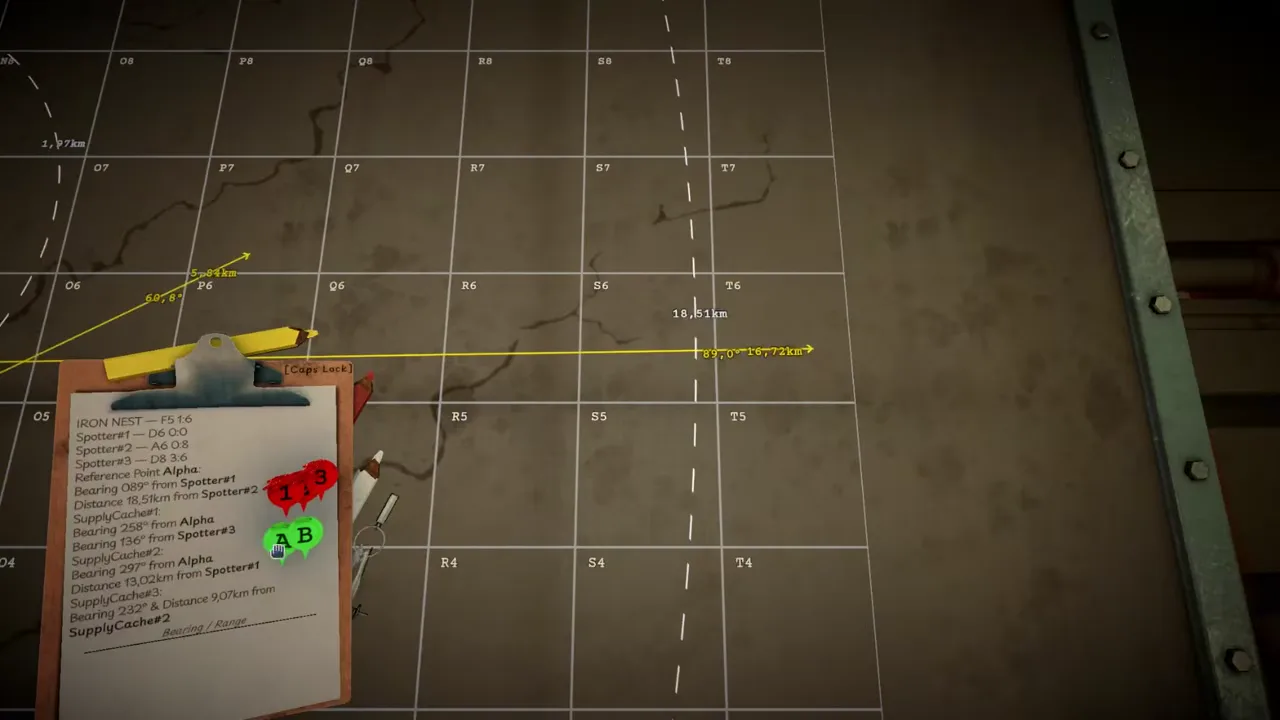
The image above is a unique frame from the official demo trailer. It illustrates the period’s operator-space promotion and is credited with exact provenance. It is not a date card and is not offered as proof of the release day; that proof comes from the dedicated official date announcement and released listing.
The dependable conclusion
The late-July/early-August language was an early 2026 target window for IRON NEST. It was later superseded by the official August 6 date announcement, and the game released on that date. The correct use for the old window is historical context, not present-day release advice.
For current availability and purchasing information, rely on the official Steam page. For the history of how the date became definite, retain this archive alongside the official announcement. That preserves both the uncertainty of development and the settled fact of release without confusing the two.
One final practical safeguard is to retain the source date beside any copied release statement. A reader can then see whether an apparent contradiction is actually a change over time: an early window, a firm announcement or a confirmed launch. It also makes future corrections inexpensive. If the developer later announces a substantial update, expansion or port, that news can be added as its own dated record rather than being incorrectly folded into the original release timeline.
That chronology is a small editorial habit with a large benefit: readers can distinguish a record of expectations from evidence of what actually happened.