IRON NEST Is Out Now: Version 1.0 Launches on PC
IRON NEST: Heavy Turret Simulator launched in full on August 6, 2026. Here is what the confirmed version 1.0 release changes for players, the demo, and this wiki.
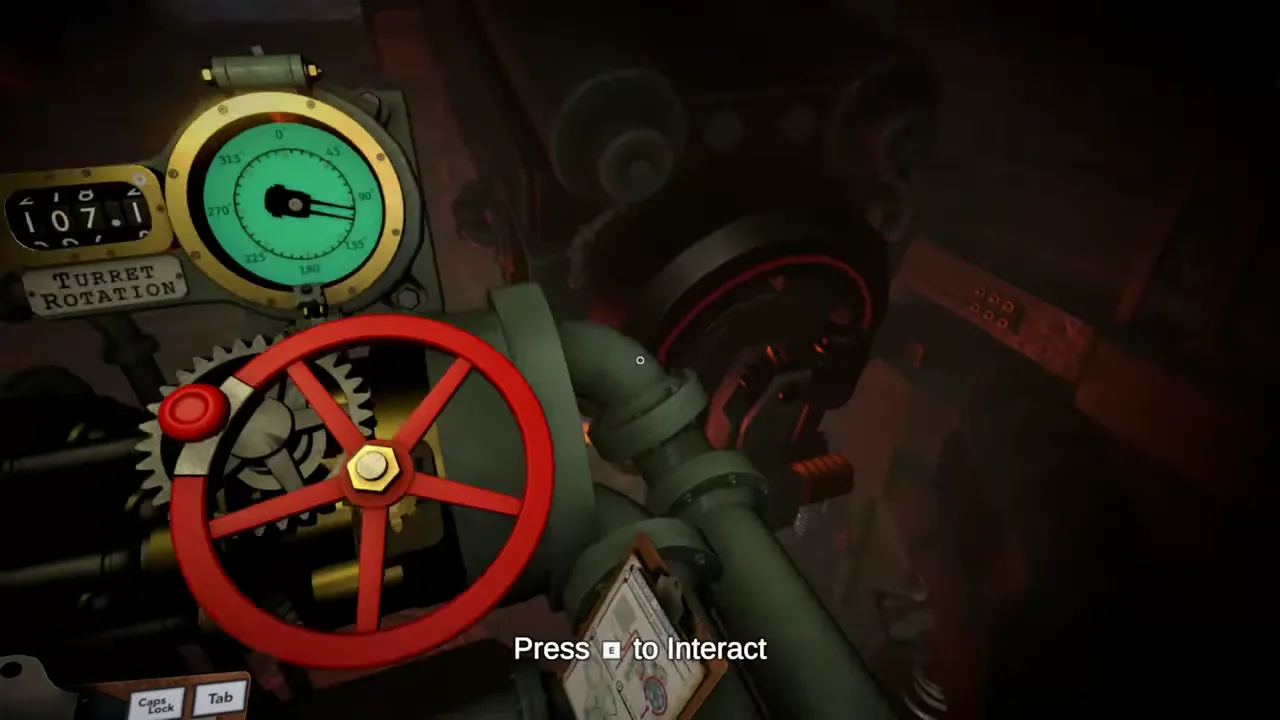
IRON NEST: Heavy Turret Simulator is no longer an upcoming game. The full version 1.0 release went live for PC on August 6, 2026, closing the short gap between the breakout Steam Next Fest demo and the finished campaign. The date is confirmed by the game’s Steam listing, the developer’s launch announcement and the official launch trailer. Anyone landing on an older preview that still says “Q3 2026” or “expected in early August” is reading a piece of the pre-release record rather than the current status.
That distinction matters for a game whose public understanding was shaped so heavily by its demo. The June build established the unusual core loop: receive a target, study the tactical information, work out a firing solution, prepare the enormous machine and live with the reported result. Version 1.0 is the point at which that demonstration became a released single-player game rather than a promise about what would arrive later.
The confirmed release status
The most important facts are straightforward. Version 1.0 launched on August 6, 2026, on PC. The official Steam community post published that day announced that the machine was fully operational, while the store changed from a planned-release listing to the released product. A patch carrying the 1.0 designation followed on August 7, which independently confirms that the team is now maintaining a live release rather than preparing an Early Access debut.
The official launch trailer uses the same language. Its description points viewers to the game with a “play now” call to action and marks the full-game stage of the development plan as complete. Earlier milestones remain useful history: the private tests, the February NEST FEST build and the June public demo explain how the design was tested. They no longer describe the game’s commercial status.
The launch is especially notable because the developers describe IRON NEST as a self-published two-person operation. Nick Talmers is identified by the current official channel material as the developer, while Dominik Latos leads the game’s communications and community campaign. The launch trailer credits additional help with assembling that video, but the official project description continues to present the game itself as the work of the two co-founders.
What version 1.0 means for the old demo coverage
The demo was more substantial than a conventional tutorial slice. It let players learn the physical rhythm of the turret, use the map and calculator, fire several missions and compete through challenge leaderboards. Its popularity produced a large body of impressions, videos and advice before the full game existed. That material is still valuable when it explains a control or demonstrates the logic of a firing solution, but it cannot automatically be treated as documentation for every version 1.0 system.
There are three sensible labels for older information now. A detail directly visible in the released build can be called confirmed in version 1.0. A detail that was confirmed only in the demo should be labelled demo-era until checked again. A feature mentioned before release but not yet verified should remain expected or developer-stated, with the date and source attached. This is more precise than silently rewriting history or pretending that every old claim was equally reliable.
The separate demo app remains useful as a no-cost introduction. Its Steam page is still the correct destination for readers who want to try the basic operating loop before buying the full release. Players should nevertheless expect the demo to represent a bounded training build. Progression balance, the amount of story, mission variety and the final set of unlocks are subjects that need to be checked against version 1.0 rather than inferred from the sample.
What the launch trailer establishes
The two-minute official launch trailer is more than a date card. It presents the released game as a sequence of jobs performed inside one machine. The operator reads information, handles mechanical controls, rotates the turret, prepares ammunition and fires. The frame used at the top of this article comes from 00:52, where the red rotation wheel sits beside a green bearing gauge. It is a compact visual summary of why IRON NEST is different from an ordinary artillery game: aiming is represented as work at an instrument, not merely as movement of an on-screen crosshair.
The trailer also keeps the narrative question in the foreground. Orders come from High Command, but the player is the person who turns coordinates into destruction. Newspaper reports and the political language surrounding Castile frame the result after the shot. That does not prove every theory proposed during the demo period, and it should not be used to invent branching outcomes that the game does not document. It does confirm that consequence, obedience and the gap between an order and its human execution are central to the released pitch.
Official material accompanying the trailer says that more than 70,000 community members were included in the in-game credits. The developers present that gesture as thanks to the testers, commenters and early supporters who helped carry the project to release. It is best understood as a specific launch acknowledgement, not as a player-count estimate or a measure of copies sold.
What has not been confirmed by the launch itself
A release announcement answers the date question, but it does not settle every other question. It does not confirm console editions, virtual-reality support, multiplayer or a complete DLC schedule. The May developer Q&A discussed several of those topics, often in terms of interest, constraints or future possibilities. Those statements need to be reported with their original timestamp and level of commitment. “The developers discussed it” is not the same as “version 1.0 includes it.”
Regional pricing also changes by country and sale period, so this wiki will not hard-code a universal price without a dated regional context. The Steam store is the authoritative place to check what the game costs for a particular account. Similarly, system requirements should be copied from the current store listing and rechecked after major patches rather than preserved forever from a preview.
The first post-launch patch arrived quickly, but the existence of a patch is not evidence that every reported issue has been solved. Fixes should be tied to their official patch notes and build identifiers. Player workarounds belong in separate troubleshooting pages where they can be tested, dated and retired when they stop being necessary.
What changes on Iron Nest Wiki
This launch creates a clear editorial job for the site. The old estimated date of August 1 was a placeholder used by the countdown, not an official release date. It has now been replaced by August 6 throughout the central configuration. Pages that described the game as unreleased are entering a review queue. The most visible notices will identify the game as released while retaining caution around individual mechanics that have not yet been re-verified.
The wiki is also moving from atmospheric generated illustrations to attributed editorial frames taken from videos on the developer-owned YouTube channel. Each frame records its source video, channel and exact timestamp. That provenance lets readers inspect the original context and prevents an image from being passed off as an independent screenshot or official key art.
Finally, version 1.0 raises the standard for guides. A short pre-release summary can point toward a possibility; a field manual for a released simulator must explain the sequence, identify failure states and separate observation from inference. New and revised pages will therefore use the released build, official statements and dated patch notes together. Where those sources disagree with an old page, the released evidence wins and the correction will be made explicit.
For players, the immediate conclusion is simple: the wait is over. IRON NEST: Heavy Turret Simulator launched on August 6, 2026, and version 1.0 is available on PC through Steam. The demo remains the sensible first drill; the full game is the current source of truth.