Target Priority When IRON NEST Reports Conflict
A mission-planning method for IRON NEST when High Command orders, frontline observations and visible map evidence do not point to one effortless artillery decision.
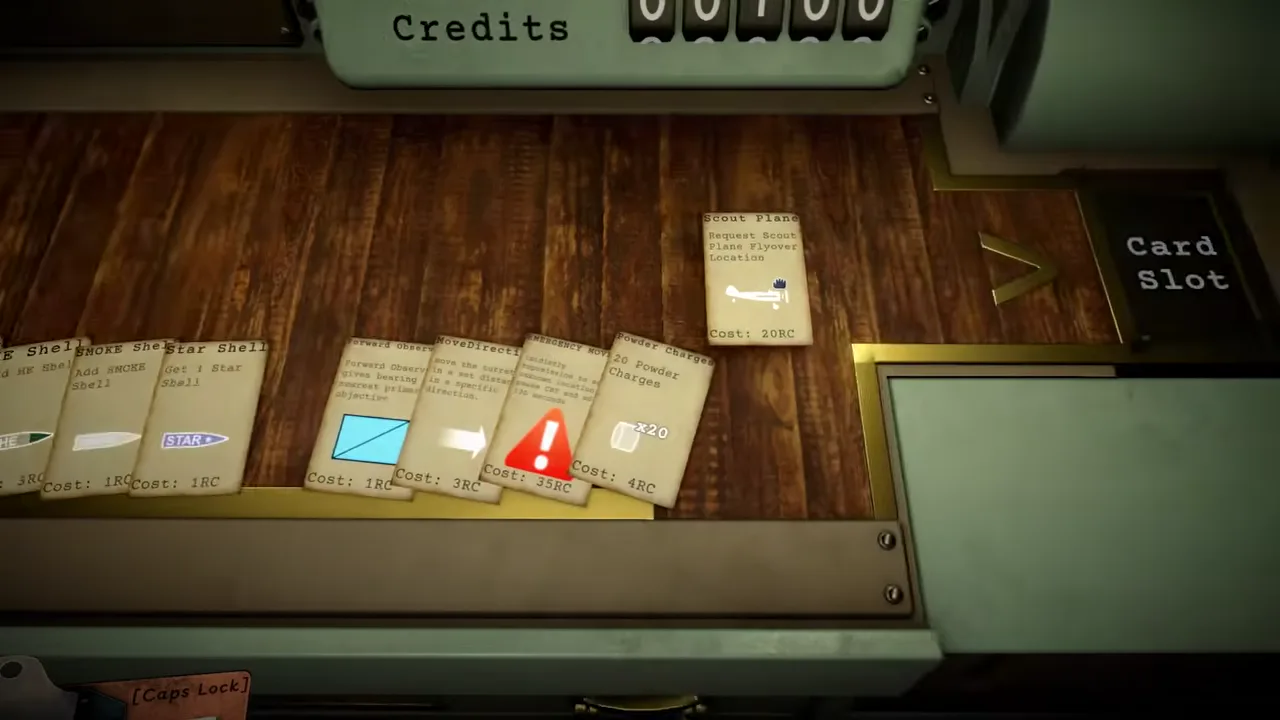
IRON NEST’s current Steam description makes conflicting information part of the Operator’s job. It says information arrives through two teleprinters: High Command and frontline radio traffic. It also tells the player to track who said what, identify the target, mark it on an interactive map, calculate trajectory and operate the guns. That wording matters. The game is not described as a situation where every incoming message becomes a perfect marker. It is a situation where the player turns differently situated information into an action.
This guide does not claim that every mission deliberately contains contradictions or that one source always outranks the other. The published listing does not give a universal source-ranking table. It provides a practical approach for the moments when messages, map context and current objective wording pull attention in different directions. The goal is to create a defensible target priority rather than a quick but untraceable guess.
Separate priority from certainty
Two reports can differ in urgency without differing about location. They can differ in location without differing about the overall objective. A High Command message may name an operational priority, while a frontline report may describe a closer or newer observation. Treat these as separate dimensions. Priority asks what the mission is explicitly asking you to accomplish. Certainty asks how well a target’s current location and state are supported by the available evidence.
This distinction prevents a false choice. The most urgent instruction may not be the best-located target yet. The most precise observation may not be the active objective. Before choosing, state both: “The current objective appears to be X; the strongest location evidence currently appears to be Y.” If X and Y do not line up, you have located the actual problem instead of disguising it as a generic aiming issue.
The current interface and mission wording are authoritative for the live build. Do not let a remembered pattern from another mission replace an explicit new instruction. If a report is dated, marked uncertain or superseded by a later message, record that fact rather than treating every line as simultaneous.
Preserve provenance on the map
The product page links reports to an interactive map, and specifically emphasizes keeping track of who said what. When two sources point to different places, do not merge their markers into one convenient average unless the game explicitly tells you to. Keep each claim associated with its source and context. A marker can represent a High Command instruction, a frontline observation, a reconnaissance clue or your own working inference. Those are not equivalent kinds of information.
This improves target priority in two ways. First, it lets you see whether the apparent conflict is actually a timing issue: perhaps one message is older or describes a different stage. Second, it allows a later aerial result to be compared with the right claim. If an impact is far from a frontline-reported location, that is different evidence from an impact that misses a High Command-designated objective.
The map does not need to become an elaborate theory board. A simple label, source note or mental distinction is enough. What matters is retaining the chain by which a target entered the plan.
Read the mission wording before the dramatic report
When a report feels urgent, it is tempting to react to its emotional tone. Stop first and read the exact mission-facing text. Is there a named primary objective? Is there a visible secondary task? Is the message asking for a particular effect, a location check or a change in plan? The official listing confirms a handcrafted story plus procedurally generated objectives, but it does not publish every objective rule. The currently displayed wording therefore deserves more weight than a genre expectation about what “must” be important.
If the mission text is clear, use it as the priority anchor. Then evaluate which reported target best satisfies that wording. If the text is ambiguous, state the ambiguity and choose the action that has the strongest visible connection to it. Do not invent a hidden score system, automatic timer or source loyalty mechanic merely because a decision feels consequential.
This is a planning discipline, not a promise that every choice has an obvious answer. Some missions can remain uncertain. The point is to make the uncertainty explicit enough that a later outcome teaches something.
Build a minimum-evidence target card
Before calculating, make a compact target card: objective wording; report source; reported location; time or update status if visible; target description; confidence; and unresolved conflict. Add the intended shell or action only after the target card exists. This gives the Operator a stable basis for map work and ballistics.
The card is especially useful when changing tasks. Without it, a player may carry a calculator result from one report into another target, or switch shells without remembering why. With it, the player can say which message led to which mark and which configuration belongs to the current plan.
You do not need a perfect confidence number. Plain labels such as confirmed by current objective, observed by frontline, unverified lead or conflicting report are enough. The purpose is to distinguish what the game currently supports from what you are inferring.
Fire only when the chosen priority is traceable
The Steam listing connects the information stage to a ballistic calculator, shell choice, charges, elevation and heavy turret movement. Once a priority target is chosen, build a clean solution for that target alone. Verify that the target mark, range/bearing relationship, ammunition selection and gun state all match the same plan. A report conflict is not solved by firing a mixture of two plans.
If evidence remains genuinely split, choose the action that the current objective most clearly supports and record why. That decision can be revised after aerial evidence arrives. The worst outcome for learning is an undocumented compromise where the player cannot later tell which report, target or configuration the shot represented.
Visible mechanical trouble should be noted separately. The official listing says mechanisms can fail. A failure or unresponsive control can change execution, but it does not automatically resolve an information conflict. Keep operational state and intelligence assessment as related but distinct notes.
Use aftermath to update the priority, not rewrite the past
IRON NEST advertises aerial photographs after strikes and persistent scars. Review that evidence against the target card. Did the visible result correspond to the chosen location? Did an objective message update? Did a new report change the situation? Write what is actually shown before explaining it.
If the outcome challenges the earlier choice, do not erase the original rationale. The original report and map mark are exactly what make the lesson useful. You may learn that one source was outdated, that the target location needed refinement or that the objective was interpreted too broadly. Those are better conclusions than a blanket claim that a source is always unreliable.
Then update the next target card with the new evidence. This turns conflict from a frustrating interruption into an operational feedback loop.
A dependable priority sequence
When reports appear to conflict: read the current mission wording; separate urgency from location certainty; retain each source on the map; identify the target most clearly connected to the objective; record what remains unverified; build one complete firing configuration; inspect aerial and mission-state feedback; and revise the next choice from evidence. Do not invent a permanent hierarchy that the game has not published.
IRON NEST’s report system is strongest when the Operator can explain why one target received attention first. A clear priority record does not eliminate uncertainty. It makes the next decision more accountable than the last.
Frequently asked questions
Does a report conflict mean one source is always false?
No. The official listing confirms separate High Command and frontline information channels and asks the player to track provenance; different reports may address different observations, times or priorities.
Should the player invent a universal source-ranking rule?
No. Use explicit current objective wording and visible mission evidence first, then record any remaining uncertainty rather than assuming an undocumented hierarchy.