IRON NEST vs Duskers: Local Fire Control or Remote Drone Command
A source-led comparison of IRON NEST and Duskers for players who enjoy constrained interfaces, unreliable sensors and tactical decisions made from incomplete information.
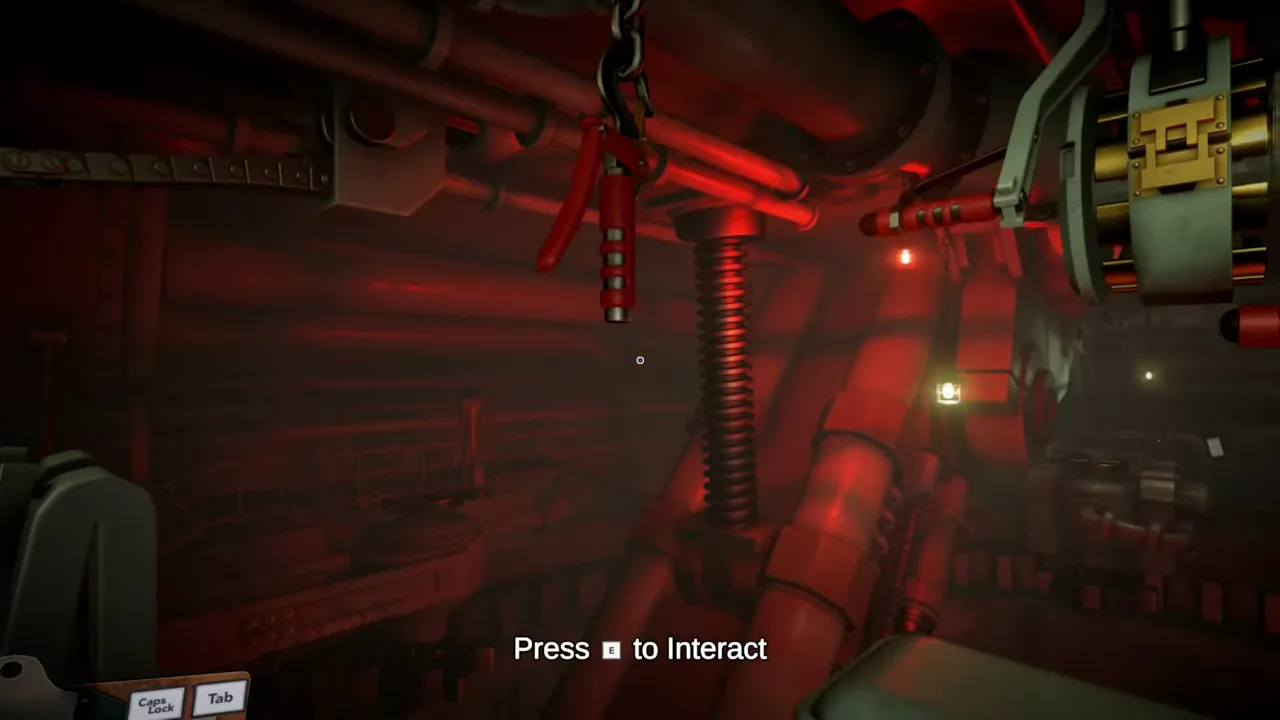
IRON NEST and Duskers are unusually compatible recommendations for players who like uncertainty expressed through an interface. Both resist the fantasy of perfect battlefield awareness. Both put the player in a cramped relationship with information: a message, signal or sensor reading arrives; it has limits; the player must decide what it justifies. Both can make an old-looking technical console feel tense rather than ornamental. Those similarities are meaningful, but they lead to two very different kinds of responsibility.
IRON NEST is a single-player heavy-turret simulation in an alternate-history late-1920s Spain. Its official page describes one Operator receiving High Command and frontline reports through separate teleprinters, marking intelligence on an interactive map, using a ballistic calculator and manually setting shell choice, charge, elevation and turret traverse. Duskers is a science-fiction survival and exploration game in which the player pilots drones into derelict spaceships. Its official page says that the operator sees through drone cameras, hears through a remote microphone, receives incomplete motion-sensor information and issues commands through a command-line interface.
The overlap is the pleasure of making a careful decision without complete visibility. The divide is where the player acts. IRON NEST turns judged reports into a local artillery strike. Duskers turns remote sensing into a decision about exploration, salvage and survival.
Information arrives through a machine in both games
IRON NEST makes provenance part of the firing problem. The public description distinguishes High Command reports from frontline radio traffic and tells the player to track where a report came from. A number or observation is not simply a marker that appears at the correct position. It must be interpreted, plotted and related to the turret before it can become a firing solution. The player can then inspect aerial photographs and persistent battlefield scars after action. That sequence turns information into an accountable operational chain.
Duskers makes mediation even more explicit. Its official page says the player is a drone operator whose old technology is the only set of eyes and ears outside the ship. Drone camera feeds reveal what a drone sees; a remote microphone supplies audio; motion sensors indicate that something is present without identifying it. Commands go through a command line. The player is deliberately separated from the dangerous place being explored.
Both designs reward caution, but their uncertainty differs. IRON NEST asks whether a report supports an artillery action. Duskers asks what might be on the other side of a drone feed and whether the expedition can afford to find out. Do not expect either game to give the other game’s exact kind of tactical knowledge. Their shared strength is making limited knowledge meaningful.
Physical handoffs versus command-line abstraction
IRON NEST’s official pitch is embodied station work. The Operator moves through a 5,000-ton heavy turret and handles distinct tasks: teleprinter evidence, map measurement, ballistic calculation, ammunition and gun adjustment. A correct decision still needs to survive handoffs between physical controls. The page also says the machine can fail, which makes the state of the mechanism part of a real-time operational concern.
Duskers uses a different interface fantasy. Its central official feature is a command line for controlling drones and ship systems. The player can find upgrades and modify drones and the ship through scavenging, but the core act is remote direction rather than manually operating a series of local levers and wheels. Its danger comes from exploring derelicts with scarce weapons, uncertain sensors and equipment that can break down.
This distinction is more important than visual style. Choose IRON NEST if you want to inhabit a control room and personally bridge the distance between report and gun. Choose Duskers if you want to stand outside the action, compose commands and infer reality through technical feeds. One is tactile procedure; the other is mediated remote control.
Failure means different things
IRON NEST advertises potential mechanical failure inside an active conflict. The public material does not publish a complete failure table, repair minigame or exact recovery rules, so players should not infer them. What is secure is that operating an enormous artillery machine is not presented as frictionless. A mechanism problem can compete with the need to act on reports and the need to keep a firing solution coherent.
Duskers gives a more detailed public picture of uncertainty and attrition. Its store page says a relied-on sensor can break down, lures can run out and even the drone camera feed can fail. It also describes fuel and parts pressure, procedurally generated ships and a universe in which death loses everything. The player must continually adapt rather than rely on one fixed strategy.
As a result, IRON NEST is better understood as a mission-operation simulator with mechanical complications. Duskers is a survival game where the reliability of the information system is itself an ongoing resource problem. If the thought of a failing sensor feed changing a run appeals most, Duskers is closer. If the thought of preserving a defensible artillery solution under pressure appeals most, IRON NEST is closer.
Story, setting and structure
IRON NEST advertises a handcrafted story, procedurally generated objectives, fifteen regions, two challenge modes with leaderboards, more than one hundred medals and a combined thirty ammunition types and abilities. Its setting is alternate-history Spain, where a monarchy remains in power during a republican uprising. Its atmosphere combines propaganda, heavy dieselpunk machinery and consequence.
Duskers presents a procedurally generated universe and a mystery assembled from surviving ship logs. The official page says the player pieces together how the universe became a giant graveyard. That is a lonely science-fiction survival frame, not an alternate-history political campaign. It explicitly presents drone upgrades, ship upgrades and salvage as part of repeated runs.
The two games can both be replayed, but for different reasons. IRON NEST’s published features point toward revisiting fire-control problems, regions and challenges. Duskers points toward a new procedural expedition, different resource conditions and a fresh attempt to learn from a failed run. Players should choose the kind of repetition they find rewarding, rather than treating both as generic tactical roguelikes.
Which should you choose?
Choose IRON NEST if you want a single Operator to make careful artillery decisions from reports, map work and ballistics, then execute them through a physical heavy turret. It is the better match for a player who wants local procedure, mission consequences and an alternate-history military setting.
Choose Duskers if you want remote drone exploration, command-line control, sensor ambiguity, procedural derelicts and survival pressure where equipment, fuel and parts can become the immediate problem. It is the better match for a player who wants to reason from a distance and accept run-ending risk.
Play both if unreliable instruments are your favorite genre feature. Start IRON NEST for the discipline of turning uncertain reports into one responsible action. Start Duskers for the anxiety of sending a drone into an unknown room when its own camera may not be trustworthy.
The dependable conclusion
IRON NEST and Duskers both make limited information feel physical. Their official designs diverge at the moment of action. IRON NEST is a hands-on heavy-turret fire-control game; Duskers is a remote drone survival and exploration game built around command-line control and failing sensors.
The right choice comes down to the kind of distance you want. In IRON NEST, the target is distant but the machine is around you. In Duskers, the danger is distant and the player can only reach it through a fragile technical link.
Frequently asked questions
Do both games make the player work through imperfect information?
Yes. IRON NEST asks an Operator to evaluate reports before plotting and firing, while Duskers explicitly limits the player to drone feeds, microphones, motion sensors and a command-line interface.
Is Duskers an artillery game?
No. Its official description centers remote drone exploration, salvage and survival in derelict spaceships, not artillery targeting or a campaign turret.